
Planning · 9 Min Read
Are Paver Driveways Worth It? Pros, Cons and What Utah Homeowners Should Know
Your driveway is one of the first things people notice when they arrive at your home, and it has to handle vehicles, snow, ice, heat and everyday use year after year.
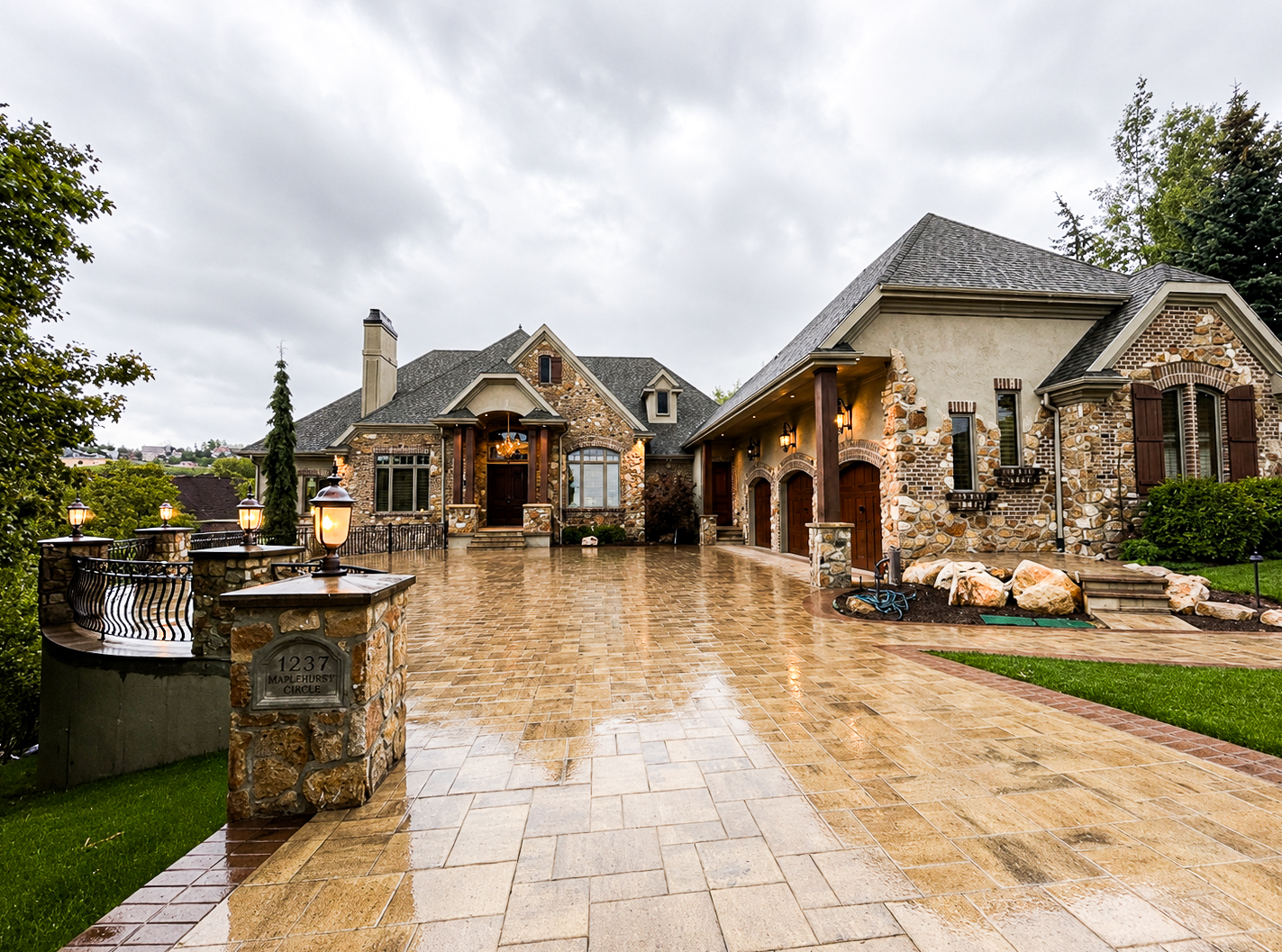
For many Utah homeowners, a standard poured concrete driveway is the familiar choice. Paver driveways are becoming popular with homeowners who want better curb appeal, easier repairs and a more customized look. So are they worth it? For the right home and budget, absolutely. A professionally installed paver driveway combines durability, long term value and a high end appearance that is difficult to achieve with concrete.
What Is a Paver Driveway?
A paver driveway is built from individual concrete, brick or stone pavers installed over a properly prepared and compacted base. Unlike poured concrete, which creates one large continuous surface, pavers interlock to create a strong driveway while allowing slight movement between individual pieces. That flexibility helps in a climate like Utah, where freezing temperatures and seasonal changes stress hardscape surfaces.
Benefits of a Paver Driveway
Strong Curb Appeal
Instead of a large gray slab, you can create patterns, borders, contrasting colors and designs that complement your architecture and landscaping. Pavers also coordinate with front walkways, entry patios, retaining walls, landscape borders, steps and outdoor living spaces for one cohesive look from the street to the backyard.
Durability for Everyday Use
A driveway supports far more weight than a patio. When installed correctly, quality pavers create a surface built for vehicles and regular traffic. The most important part is not the paver itself but the installation: careful excavation, grading, base preparation, compaction, edge restraint and drainage. A poorly prepared base leads to settling regardless of the surface material.
Easier Repairs
Concrete cracks, and patched areas rarely match. Because a paver driveway is made of individual units, damaged or settled pavers can often be lifted, the base corrected, and the same pavers reset without tearing out the whole driveway. This repairability is one of the strongest long term benefits.
Paver Driveways and Utah Snow
Paver driveways perform well in winter when designed and installed correctly. Textured surfaces provide traction, and the flexible construction responds to seasonal ground movement differently than one continuous slab. Use sensible winter practices:
- Use properly adjusted snow removal equipment.
- Avoid letting metal blades aggressively scrape the surface.
- Follow manufacturer recommendations regarding deicing products.
- Remove heavy snow regularly instead of letting freeze and thaw cycles build up.
For more on what happens beneath the surface each winter, read our guide to Utah freeze and thaw basics.
What About Ice?
Like any outdoor surface, pavers can become icy. Proper drainage and grading matter because standing water freezes. A professionally designed driveway directs water away from the home and minimizes areas where moisture collects. Talk with your contractor about how the property drains during winter and spring snowmelt.
Paver Driveway Maintenance
- Sweeping away dirt and debris
- Removing weeds if they appear along joints
- Replenishing joint material when necessary
- Cleaning occasional stains
- Resetting an isolated paver if settling occurs
- Sealing if desired or recommended for the material
The benefit is that issues can usually be addressed in small sections instead of requiring major replacement work.
Are There Any Downsides?
A professionally installed paver driveway usually costs more upfront than basic poured concrete because it requires more materials and detailed labor. Installation quality is critical, since pavers are only as good as the base underneath them. And because pavers have joints, those joints occasionally need attention, so a paver driveway is not completely maintenance free.
Paver Driveways vs. Poured Concrete
Both options work; the better choice depends on your priorities. Concrete makes sense if your main objective is a straightforward driveway at a lower initial cost. Pavers make more sense when you want higher end curb appeal, more design flexibility, easier localized repairs, custom borders or patterns, and a driveway that complements the rest of your hardscaping. If you are weighing materials, see our comparison of concrete, brick and natural stone pavers.
When Does a Paver Driveway Make the Most Sense?
A paver driveway is especially worthwhile if you are already investing in the rest of your exterior. Homeowners planning a new walkway, front porch, retaining wall, landscaping project or backyard patio can use complementary pavers for a consistent look. It is also a strong choice when replacing an aging or cracked driveway and you want a true upgrade instead of more concrete. For shared drive lanes and parking courts, see our commercial paver installation page.
Published by Empire Pavers on August 26, 2026.
Related Services
Explore Related Paver Services
Paver Driveways
Paver driveways offer a distinctive alternative to standard poured concrete and can include decorative borders, contrasting patterns, driveway aprons, extensions, and permeable paver options.
Walkways & Entryways
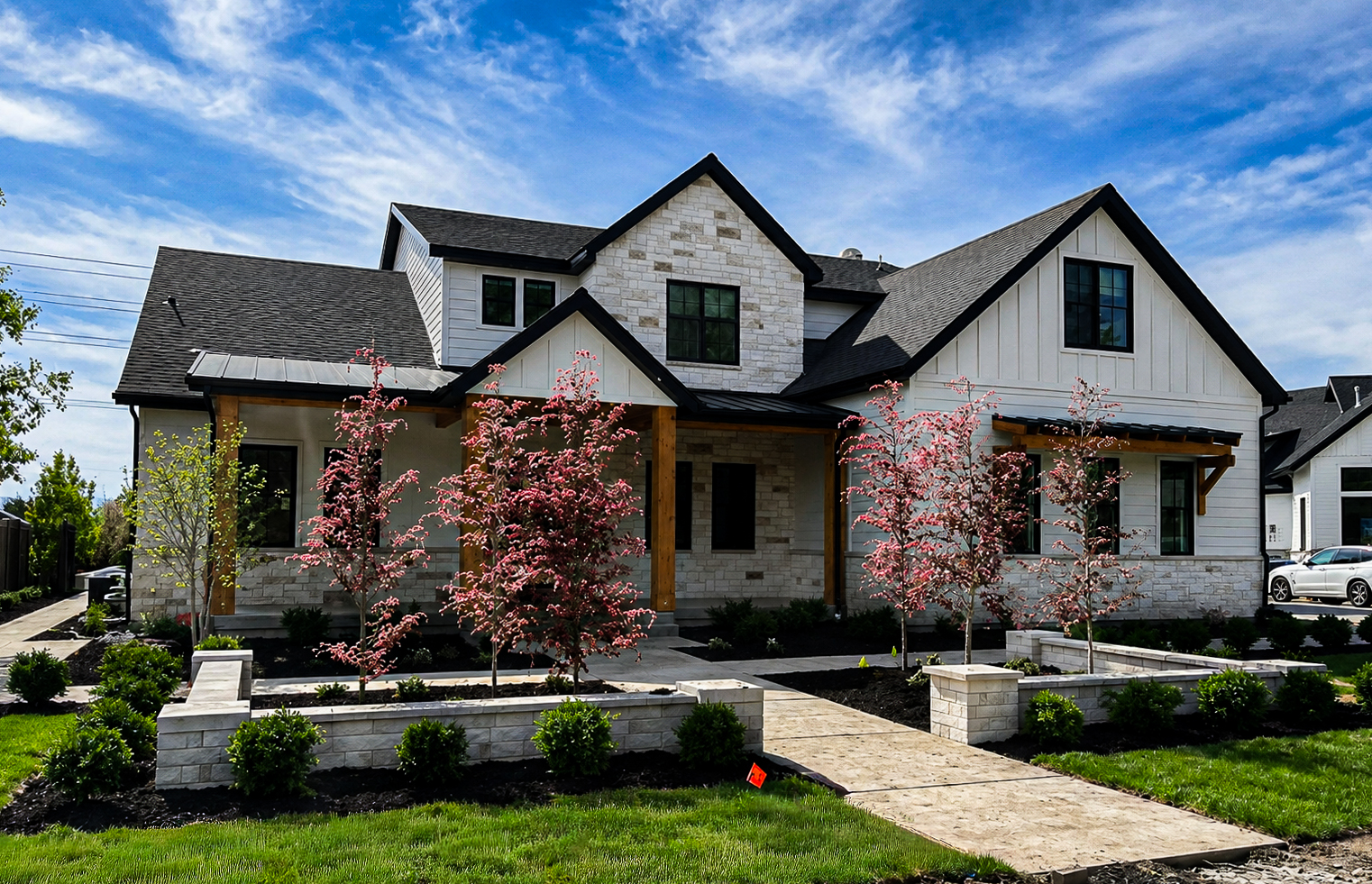
Create a polished connection between your driveway, front door, patio, garden, or outdoor living area. Custom paver walkways and entryways can improve accessibility, define your landscape, and give your property a more finished appearance.
Commercial Paver Installation
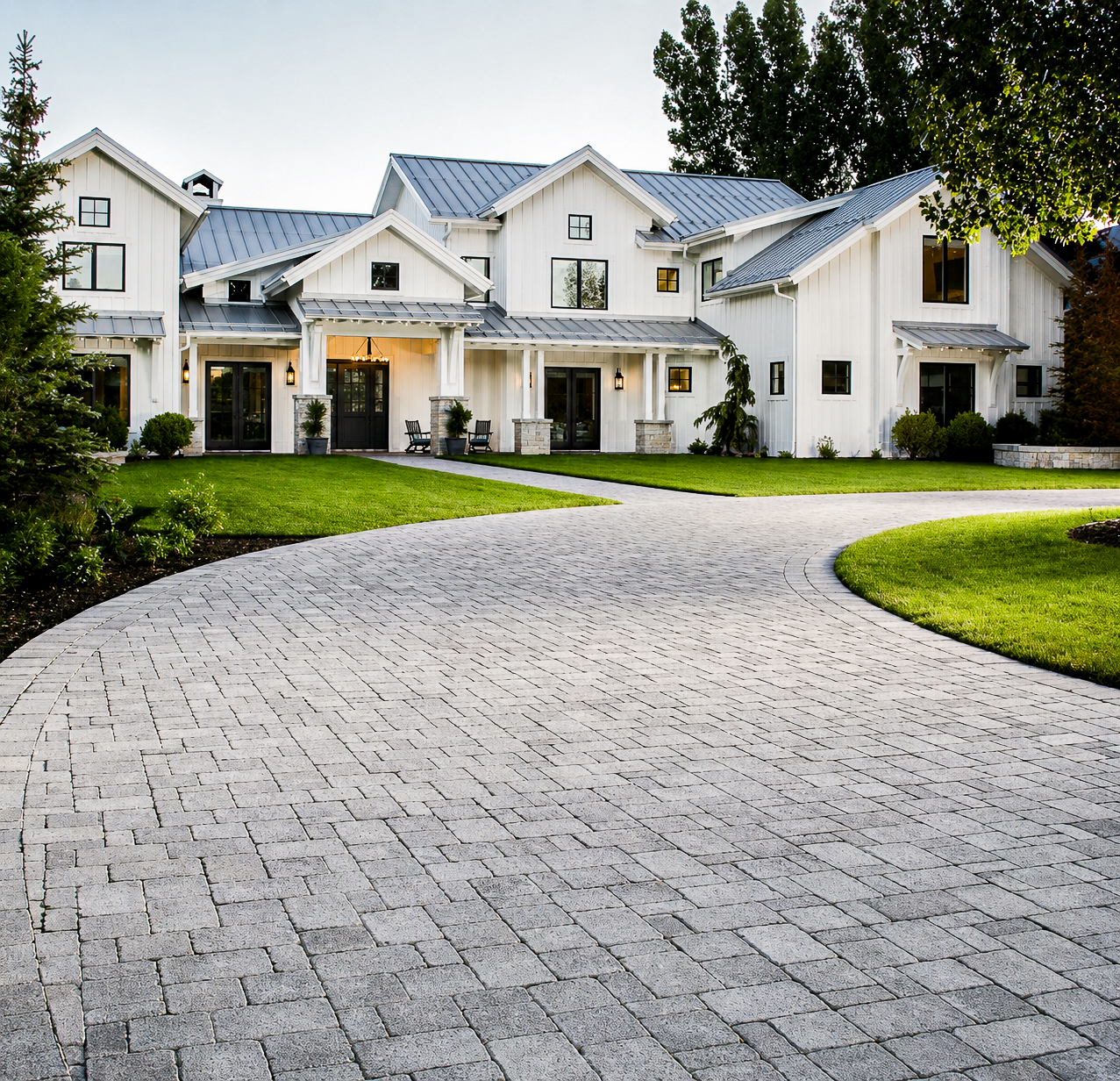
Plazas, courtyards and drive lanes for property managers and developers.
Keep Reading
You May Also Like
Planning · 7 Min Read
The Utah Paver Driveway Buyer's Guide
Materials, patterns, base depths and questions to ask your contractor.
Read Article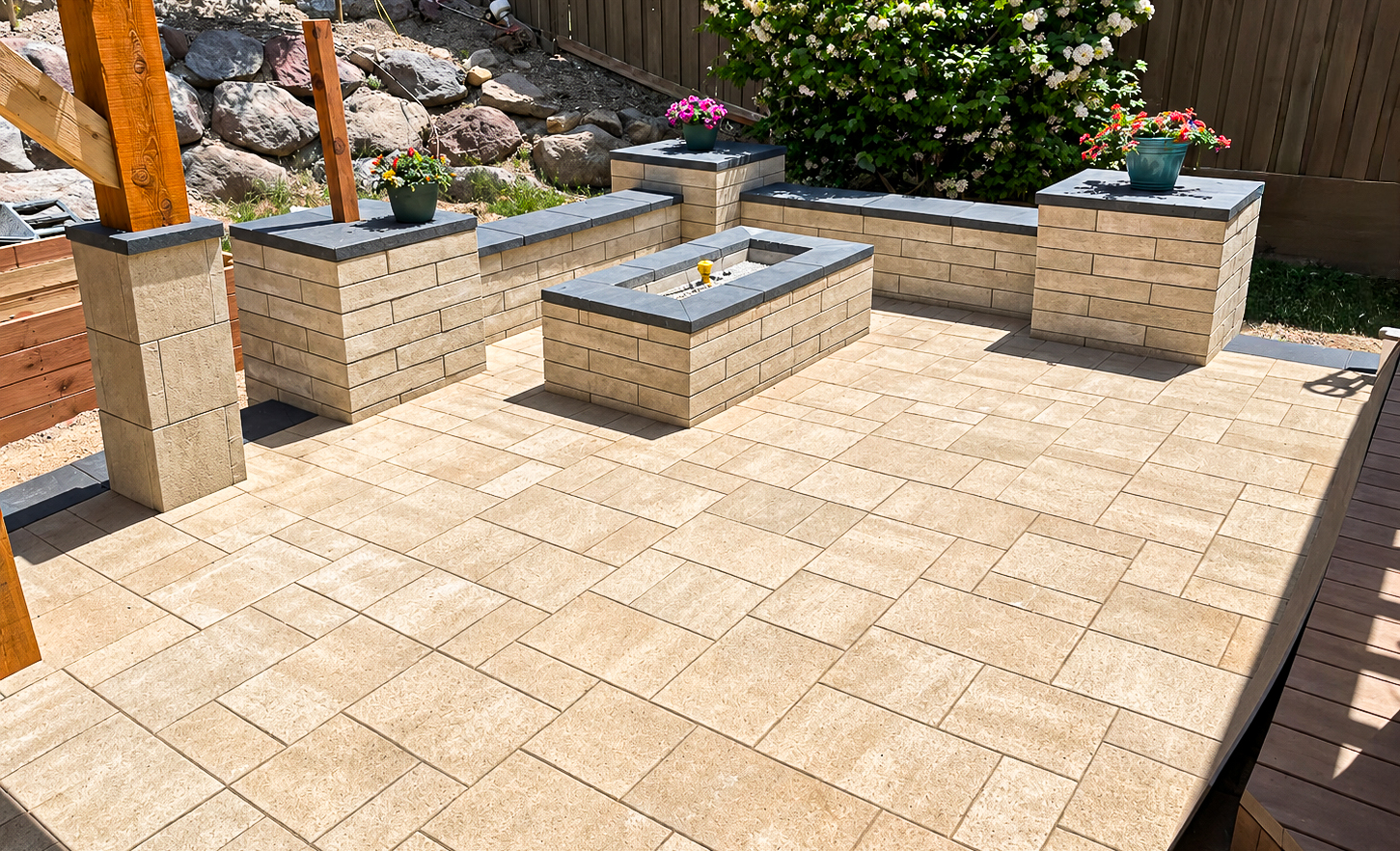
Planning · 6 Min Read
How to Plan a Paver Patio in Utah, Step by Step
What to think about before the first paver goes down, from HOA approval to drainage.
Read ArticleMaterials · 5 Min Read
Concrete vs. Brick vs. Natural Stone Pavers
A field guide to the three main paver material families and where each shines.
Read ArticleStart Your Project
Ready to Upgrade Your Outdoor Space?
Whether you are planning a new patio, driveway, fire pit, retaining wall, walkway or complete outdoor living space, Empire Pavers can help bring your vision to life. Get started with a free consultation and estimate today.